A New HIV Prevention Shot Could Change Everything — But Only If The World Gets Behind It

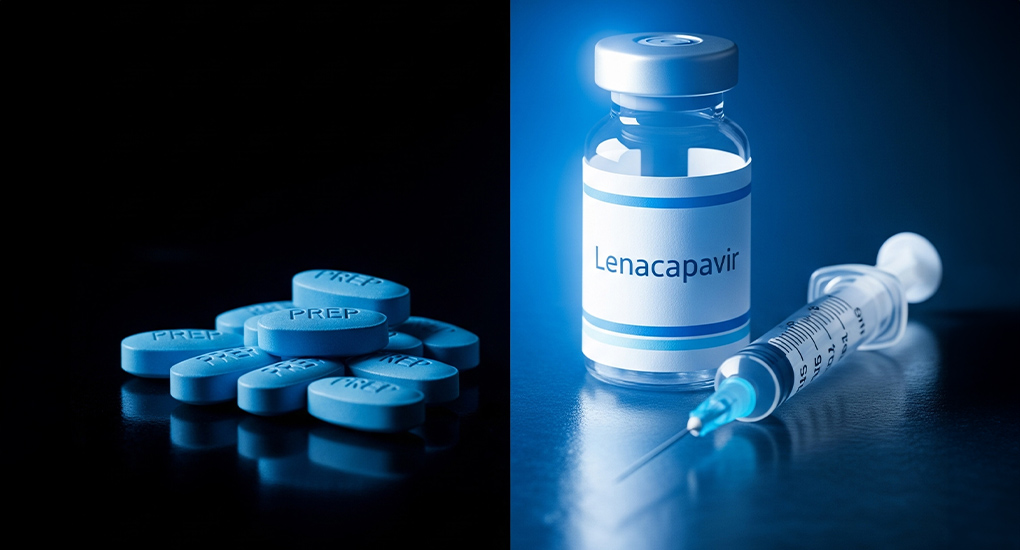
Lenacapavir is a breakthrough in HIV prevention, but access, funding, and global support are the next battle.
The U.S. Food and Drug Administration has just approved Yeztugo, also known as lenacapavir or LEN, a twice-a-year injectable drug that could become one of the most effective tools in the fight against HIV. The drug has shown a 96% reduction in HIV transmission in early trials and could be a major step forward if it reaches the people who need it most.
What Makes LEN Different?
Unlike daily pills like Truvada or Descovy, LEN is taken just twice a year. That’s a game-changer for those who struggle with daily medication routines or face stigma around PrEP use. It works by stopping HIV from replicating inside the body’s cells, essentially blocking infection before it takes hold.
Who’s Behind It?
LEN was developed by Gilead Sciences and backed by the AIDS Vaccine Advocacy Coalition (AVAC). It moved through Phase 3 trials with impressive results. Dr Colleen Kelley, one of the lead researchers, said the injectable has the potential to significantly cut new HIV infections, particularly among those who find daily pills difficult to maintain.
“This is the single best opportunity in 44 years of HIV prevention,” said Mitchell Warren, AVAC’s executive director, in a statement to NBC News. Still, he warns: “FDA approval is just one step. Getting it into the hands of people globally is another story.”
So, What’s the Catch?
Right now, the cost of LEN as an HIV treatment sits at around $3,450 USD per month. That price tag makes widespread access unlikely unless something changes.
AVAC and other advocates are calling on Gilead to price the drug affordably, ideally under $100, and to open the door for generics. They’re also urging global health agencies and donors to invest in access now, not later. Their goal? Reach at least two million people with LEN by 2027.
But while scientists push forward, policy may be pulling back. Recent cuts to U.S. HIV programs, including the cancellation of key research grants and international funding reductions, could delay LEN’s impact in communities that need it most.
UNAIDS reports that in 2023, there were 1.3 million new HIV infections worldwide—a big drop from 1995’s 3.3 million, largely thanks to PrEP. But that number is still far too high. As AVAC’s Wawira Nyagah put it, this isn’t just about the drug, it’s about “translating science into real impact.”
And the science is clear: LEN is safe, effective, and ready for use. The question now is whether governments, funders, and pharma are willing to move fast enough and make it accessible enough to match the moment.