
Yet Another Red State Seeks To Overturn Marriage Equality

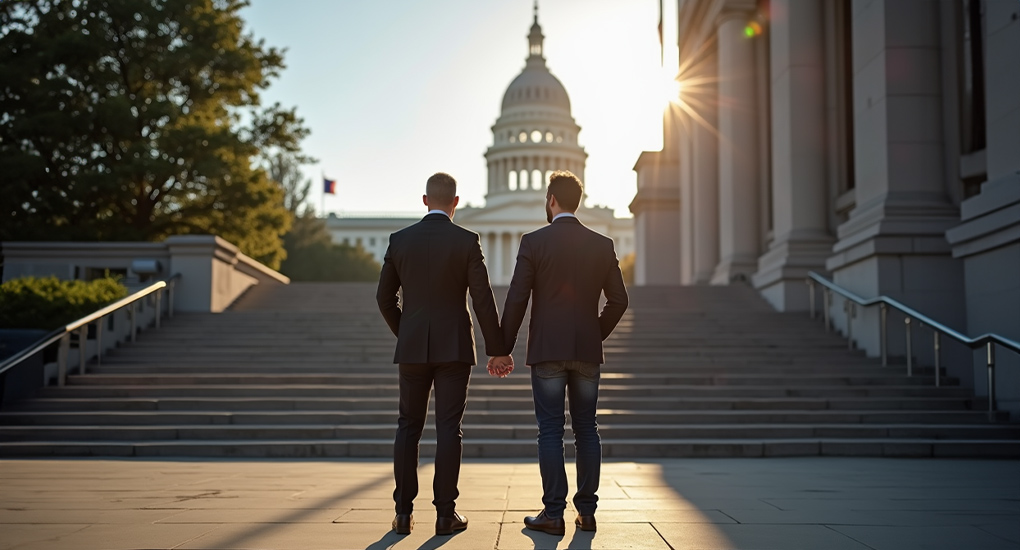
North Dakota lawmakers have a resolution urging the U.S. Supreme Court to overturn its 2015 ruling that legalised marriage equality across the country. While the Senate ultimately rejected the proposal with a 16-31 vote, the debate left many asking why this issue is being revisited nearly a decade later.

Why Challenge Marriage Equality Now?
Republican Representative Bill Tveit, who sponsored the resolution, claimed the Supreme Court’s decision violated the Tenth Amendment and North Dakota’s Constitution. “We all took an oath to uphold the Constitution,” Tveit said, defending his push to challenge federal authority on this matter.
The resolution aligns with efforts by MassResistance, an organisation labelled an “anti-LGBTQ hate group” by GLAAD. They’ve been promoting similar measures nationwide, though most have failed to gain traction outside of Idaho and North Dakota.
The Backlash from Locals
For many North Dakotans, this resolution felt like a direct attack. Laura Balliet, an attorney and National Guard member who married her wife in 2020, expressed her anger during Senate hearings. “This resolution tells people like me that we’re not welcome here,” she said. Balliet’s words echoed a broader sentiment among opponents who view the measure as discriminatory and divisive.
Democratic Senator Ryan Braunberger, who is gay, called the resolution “a slap in the face” to residents who are happily married and committed to their state. He warned that such measures could hurt North Dakota’s efforts to attract new residents and grow its economy.
A Divided Legislature
Even some Republican lawmakers regretted supporting the resolution. Representative Matt Ruby admitted he wished he had voted no, saying his initial support sent a harmful message: “Your marriage isn’t valid, and you’re not welcome.” Ruby ultimately affirmed his belief in marriage equality.
Others defended their votes based on religious beliefs. Representative Dwight Kiefert cited his Christian faith as his reason for supporting the measure, arguing that marriage was defined in the Bible as between Adam and Eve.
A Growing Trend Across States
North Dakota isn’t alone in challenging marriage equality. In Idaho, Republican Representative Heather Scott has introduced a similar resolution urging the Supreme Court to overturn Obergefell v. Hodges. Scott claims that marriage should be defined by states, not federal courts, calling it a return to what she describes as the “natural definition of marriage.” While symbolic in nature, her proposal has sparked outrage among equality advocates who see it as a step backward.
Idaho’s push comes against a backdrop of growing national support for marriage equality but highlights how fragile these rights remain in certain states. Idaho’s constitutional ban on same-sex unions from 2006 is still technically on its books, even though federal courts rendered it unenforceable in 2014. Public opinion in Idaho remains divided, with nearly half supporting marriage equality while others remain opposed or undecided.
Meanwhile, Michigan Republican Representative Josh Schriver has also called for overturning Obergefell, citing religious reasons for his stance. Schriver’s position has drawn sharp criticism as out of step with public opinion; recent polls show that nearly 70% of Americans now support marriage equality. His efforts reflect how some lawmakers continue to prioritise personal beliefs over widespread acceptance of equal rights.
What’s Next for Marriage Equality?
The Senate’s rejection of this resolution means it won’t move forward for now. But debates like this aren’t going away. Some Supreme Court justices have already hinted at revisiting past rulings on marriage rights following recent decisions on abortion.
Advocacy groups like the ACLU remain vigilant. Cody Schuler of ACLU North Dakota warned against defining marriage through a religious lens: “Marriage isn’t just one man and one woman. That view doesn’t reflect all religions or societies.”
Senator Braunberger summed it up best: “Today was a good day for North Dakota because we told citizens they are welcome here regardless of marital status.” Rejecting this resolution wasn’t just about protecting marriage equality; it was about standing up for fairness and respect.

