
International Criminal Court Targets Taliban Leaders In Landmark LGBTQIA+ Rights Case

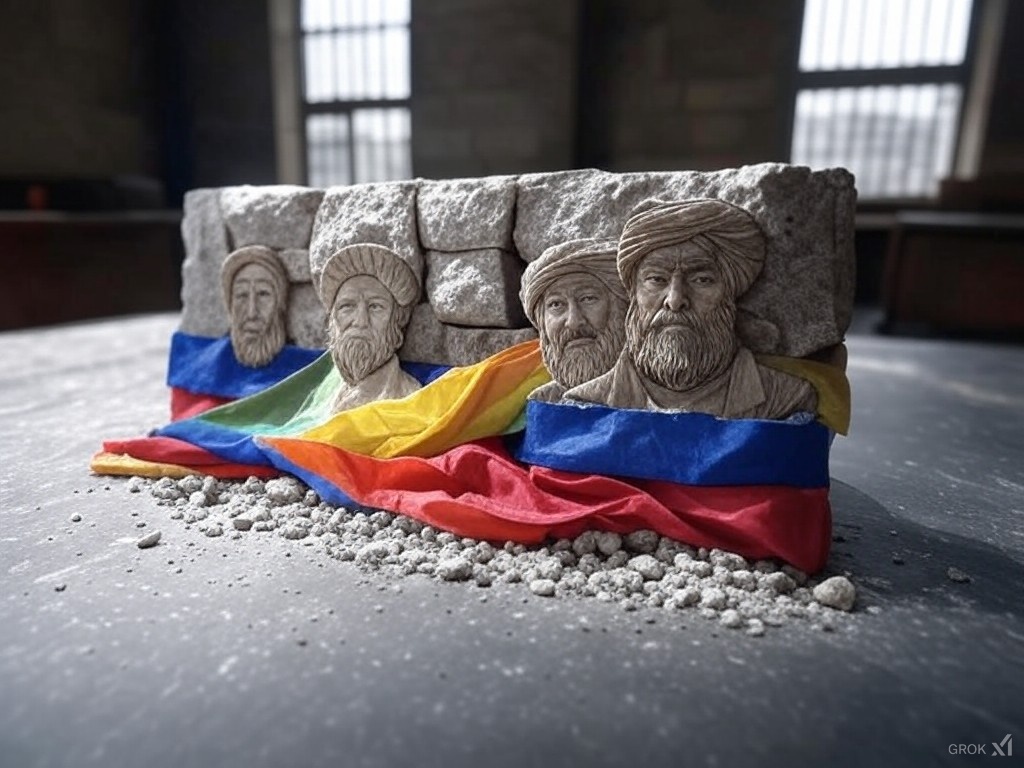
International court takes unprecedented step after investigating systematic abuse under Sharia law.
The International Criminal Court (ICC) just escalated its fight for LGBTQIA+ Afghans. Chief prosecutor Karim Khan filed arrest warrants for two top Taliban officials, namely Supreme Leader Haibatullah Akhunzada and Chief Justice Abdul Hakim Haqqani. Their alleged crime? Orchestrating gender-based persecution targeting women, girls, and LGBTQIA+ communities since retaking power in 2021.

Why Is This ICC Move So Significant?
This is the first time the ICC has officially recognised anti-LGBTQIA+ violence as a crime against humanity. Artemis Akbary, executive director of the Afghanistan LGBTIQ Organisation, described it as a groundbreaking moment, stating, “These applications recognise our community faces unconscionable persecution.”
Under the Rome Statute, gender-based persecution is a crime against humanity. This action highlights extreme abuses under Taliban rule, like banning girls’ education beyond sixth grade, and strengthens global efforts to classify gender apartheid as an international crime.
The International Criminal Court's (ICC) announcement today that it will apply for arrest warrants against senior Taliban leaders marks a pivotal moment in the pursuit of justice for Afghan women and girls.
— Malala Fund (@MalalaFund) January 23, 2025
Under the Rome Statute, persecution on the grounds of gender is… pic.twitter.com/3CPZCazkXo
Since August 2021, the Taliban has used its interpretation of Sharia law to justify brutal oppression. Reports have revealed public floggings of gay men, forced marriages for transgender women, and widespread sexual violence.
According to Human Rights Watch, these acts are part of a systematic campaign to erase LGBTQIA+ identities in Afghanistan. A 2022 report documented over 60 cases of targeted violence in just a few months after the Taliban’s return to power. By 2023, Outright International confirmed that Taliban security forces had intensified their attacks on queer individuals, raiding safe houses and subjecting victims to physical and sexual assault.
Rainbow Afghanistan’s open letter in October 2023 painted an even darker picture. It detailed how LGBTQIA+ individuals have been tortured, stoned to death, sexually assaulted, and forced into heterosexual marriages. Many others have died by suicide as a result of relentless persecution. The letter called on the United Nations and international human rights organisations to intervene urgently.
What Happens Next?
The ICC judges will now decide whether to issue arrest warrants for Akhunzada and Haqqani. If approved, it would compel the 124 member nations of the ICC to arrest these leaders if they travel abroad. While trials in Afghanistan remain unlikely under current conditions, this move offers a pathway toward accountability on an international stage.
Human Rights Watch’s International Justice Director Liz Evenson emphasised that this action puts global attention back on the Taliban’s atrocities against women, girls, and gender-nonconforming individuals. She stated that with no justice currently possible within Afghanistan, these warrants represent an essential step toward holding perpetrators accountable.
Could This Change International Law?
This case could set a precedent for recognising LGBTQIA+ persecution as a crime against humanity under international law. Julia Ehrt, executive director of ILGA World, called it “groundbreaking” that LGBTQIA+ individuals are explicitly included among victims of gender persecution in this case. It raises an important question: will other regimes face similar accountability for targeting queer communities?
The ICC’s decision is not just about Afghanistan; it sends a powerful message worldwide that gender-based oppression will not be tolerated. As Akbary noted, “LGBTIQ+ people in Afghanistan need our support and solidarity more than ever.”
The world is watching as ICC judges deliberate this monumental case. Will justice finally be served for those who have suffered under the Taliban’s oppressive rule?

