From Repression To Terror, LGBTQIA+ Russians Face A Bleak Future

A recent LA Times report sheds light on the growing challenges faced by LGBTQIA+ individuals in Russia. “It’s not just repression anymore. It’s terror,” says Vladimir, a rights advocate who requested to use only his first name.

Life has changed drastically in Russia since the Supreme Court’s November 2023 ruling. The court labelled what they call “the international LGBTQIA+ movement” as extremist. This means people can now face up to six years in prison if convicted under a law that is vague and ill-defined.
Olga Baranova, who leads the Moscow Community Center for LGBTQIA+ Initiatives, tells us how activists now face a brutal choice. They must decide if their work is worth risking years behind bars.
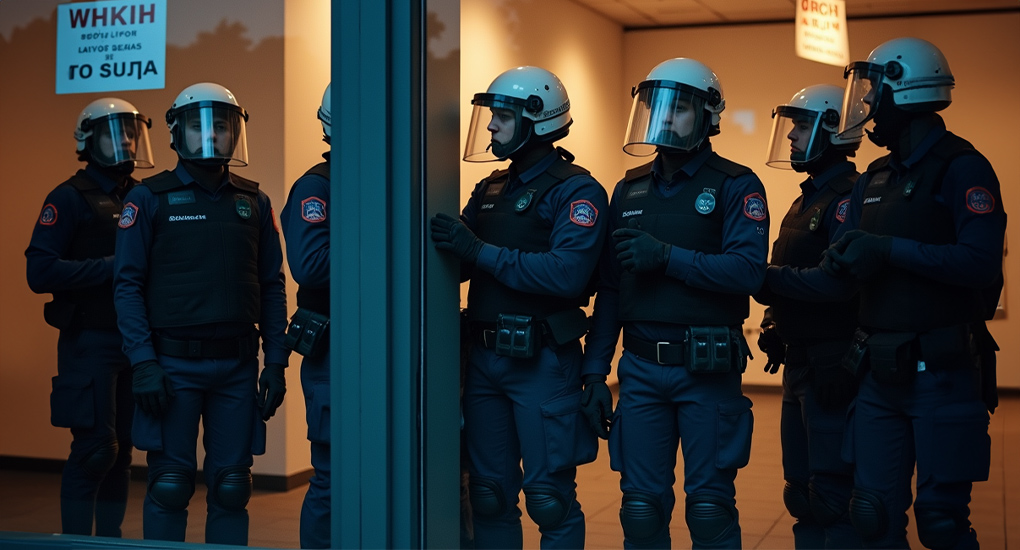
Police have raided bars and clubs in Moscow, St Petersburg, and other cities. Last spring, the Orenburg bar staff faced criminal charges for hosting performances. People were arrested just for having rainbow flags.
A Pharmacist’s Story
Take Gela Gogishvili and Haoyang Xu’s story. They had a good life in Tatarstan. Gogishvili worked as a pharmacist while Xu studied. But in December 2022, everything changed. Officials accused them of spreading information to minors. After fines and detention, they left Russia separately. They’re now seeking safety in France.
Medical Care Crisis
The new laws hit the trans community especially hard, says Yan Dvorkin from Center T. Finding work has become nearly impossible. Getting proper medical care is a massive challenge.
Anna, 25, from Moscow, talks about her experience. She’s fortunate to have been able to afford overseas medical advice and get medicine in Moscow. But she stays quiet at work, fearing she’ll lose her job.
The censorship reaches everywhere. Even streaming services had to cut a trans character from Twin Peaks, the 1990s drama series.
Putin claims Russia doesn’t discriminate, but he talks about “perversions” and “extinction.” Parliament speaker Vyacheslav Volodin called gender transitioning “pure satanism.”
Some, like Julia, a trans woman in her mid-40s, choose to stay despite the risks. She has a successful career and family support. “It’s about showing we’re not necessarily weak,” she says.
But for many others, leaving is the only option. As Gogishvili says from France, “I’m scared for the community that remains in the country.”
The Moscow Community Center for LGBTQIA+ Initiatives now operates mostly online. They create safe spaces where people can support each other, even as the pressure grows.
Underground groups still offer legal help, carefully checking everyone who reaches out. But as Vladimir notes, violence reports keep increasing, and the future remains uncertain for those who stay.